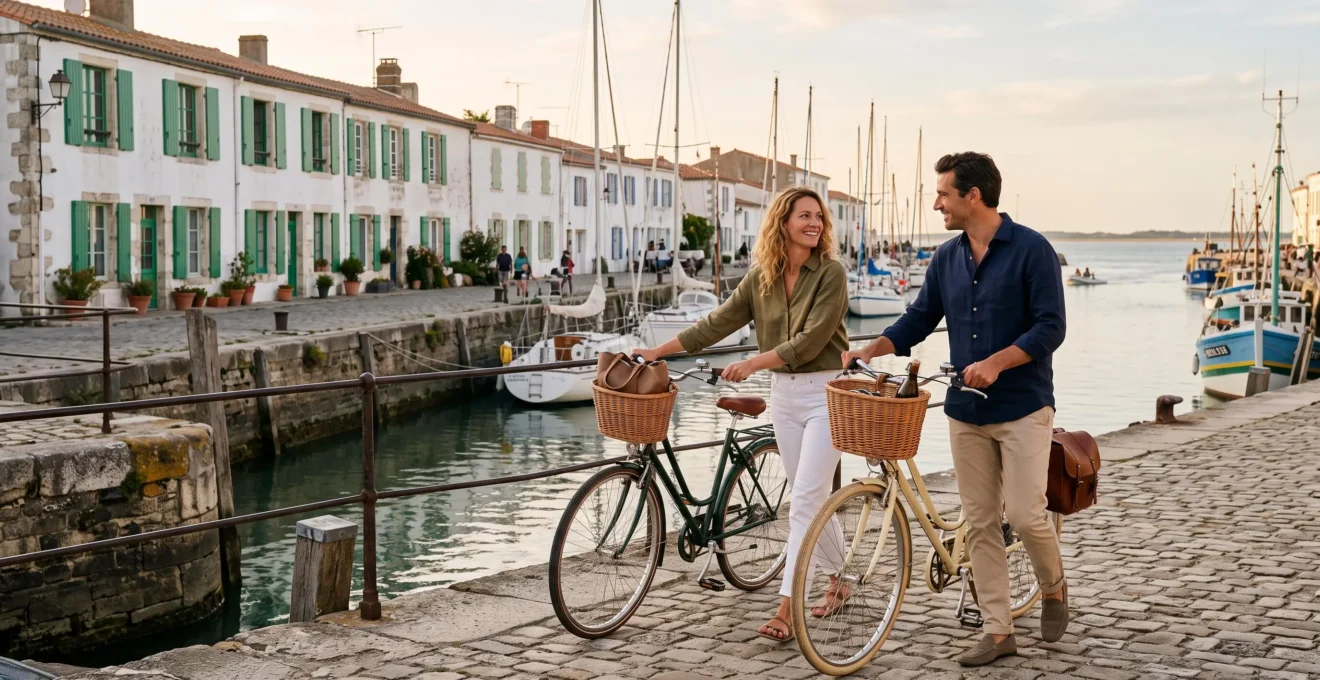
Direct answer: Choose Île de Ré for a luxury holiday if you value discreet, place-led luxury: protected-looking landscapes, well-kept villages (notably Saint-Martin-de-Ré and its UNESCO-listed Vauban fortifications), and premium experiences that revolve around cycling, food and sea-air wellbeing rather than flash.
If you are weighing the island against better-known coastal names, the key question is simple: what does high-end travel actually look like on Île de Ré, and does it justify the cost? The most reliable way to answer is to look at what is concrete and verifiable: heritage you can walk, scenery that shapes daily life, and practical constraints (access, seasonality, availability) that influence both price and experience.
Below, you will find a decision-focused guide: what makes Île de Ré distinct, which villages and landscapes matter, what “premium” accommodation typically means here, and how to plan activities around the seasons—so you can compare it objectively with more publicised luxury destinations.
What to check before booking a luxury holiday in Île de Ré
- Type of luxury you want: heritage, privacy and nature over nightlife and large-scale glamour.
- Base village: choose according to atmosphere (harbour life, beaches, quieter scenery) rather than chasing a single “best” spot.
- Accommodation style: villa privacy vs boutique-hotel service; both can be high-end, but the experience differs.
- Seasonal trade-offs: summer energy and availability pressure vs calmer shoulder seasons.
- Access costs: if you drive, factor in the official bridge toll bands.
What Makes Île de Ré a Genuine Luxury Destination?
Île de Ré makes sense as a luxury destination when you define luxury as time, space, and quality of setting—not the concentration of flagship boutiques or big-ticket nightlife. The island’s appeal is built on preserved-looking scenery, coherent architecture, and a rhythm that encourages slow, comfortable days: cycling between villages, lingering at markets, and choosing experiences that feel curated because they are rooted in place.
A useful contrast with a typical French Riviera resort is that the “premium” feeling here is rarely about spectacle. Instead, it tends to come from privacy (villas and discreet properties), walkable harbours, and heritage you can access without turning your holiday into a logistics exercise. That difference matters if your main objection is value-for-money: you are paying for an environment and an atmosphere as much as for amenities.
From an economic point of view, the island is also clearly part of a mature tourism area. According to Insee, tourism represented 29.4% of local employment on Île de Ré (2015), and the Charentes recorded around 12 million overnight stays in collective tourist accommodation in 2018—useful context for understanding why availability can tighten in peak periods (données Insee sur le tourisme rétais).
So is Île de Ré worth visiting for a luxury trip? It can be—if your benchmark is discreet comfort, characterful villages, and nature-led activities. If your benchmark is constant high-end retail, large palaces, or a “scene”, you may find the luxury offer less obvious and more dependent on choosing the right base and property.
The Villages and Landscapes That Shape the Island’s Character
If you want to grasp the island quickly, focus on two anchors: village character and working landscapes. Île de Ré is not a single resort; it is a chain of places with different textures—harbours, quieter lanes, beaches, salt marshes and low vineyards—so the “best” village depends on the atmosphere you want to live in daily.
Why start with Saint-Martin-de-Ré if you care about heritage?
Because it offers a rare, walkable piece of history that directly supports a high-end experience: you can spend an unhurried afternoon on the ramparts, then return to the harbour for dinner without needing a car. The town’s Vauban fortifications were built between 1681 and 1691 and have been UNESCO-listed since 7 July 2008, as part of the Network of Major Vauban Sites (confirmed by the municipality’s official information: fortifications Vauban classées UNESCO).
What this changes, in practice, is the tone of your stay: rather than “doing” a monument, you are living around it—walking the walls, pausing at viewpoints, and enjoying the sense of enclosure and calm that fortifications bring to a harbour town.
Which landscapes define the island beyond the villages?
The island’s signature scenery is built around salt marshes, coastal paths, and low-lying agricultural patterns (including vineyards). For luxury travellers, this matters less as a postcard and more as a framework for premium days: private-feeling cycle rides, guided nature walks, tastings rooted in local production, and spa-style downtime that matches the sea-air setting.
If your concern is “standing versus price”, landscapes are one of the clearest justifications that does not rely on marketing claims: the island’s luxury is often the ability to move through quiet, coherent scenery—then return to comfort—without the sensory overload some headline destinations bring in peak season.
Where to Stay on the Island for a Charming Holiday
Premium accommodation on Île de Ré is typically about space, privacy, and design that fits the island, rather than about high-rise grandeur. In concrete terms, you will usually be choosing between three high-end styles: a villa (often for independence), a boutique hotel or guesthouse (for service and ease), or a well-located family rental (for comfort and flexibility when travelling as a group).
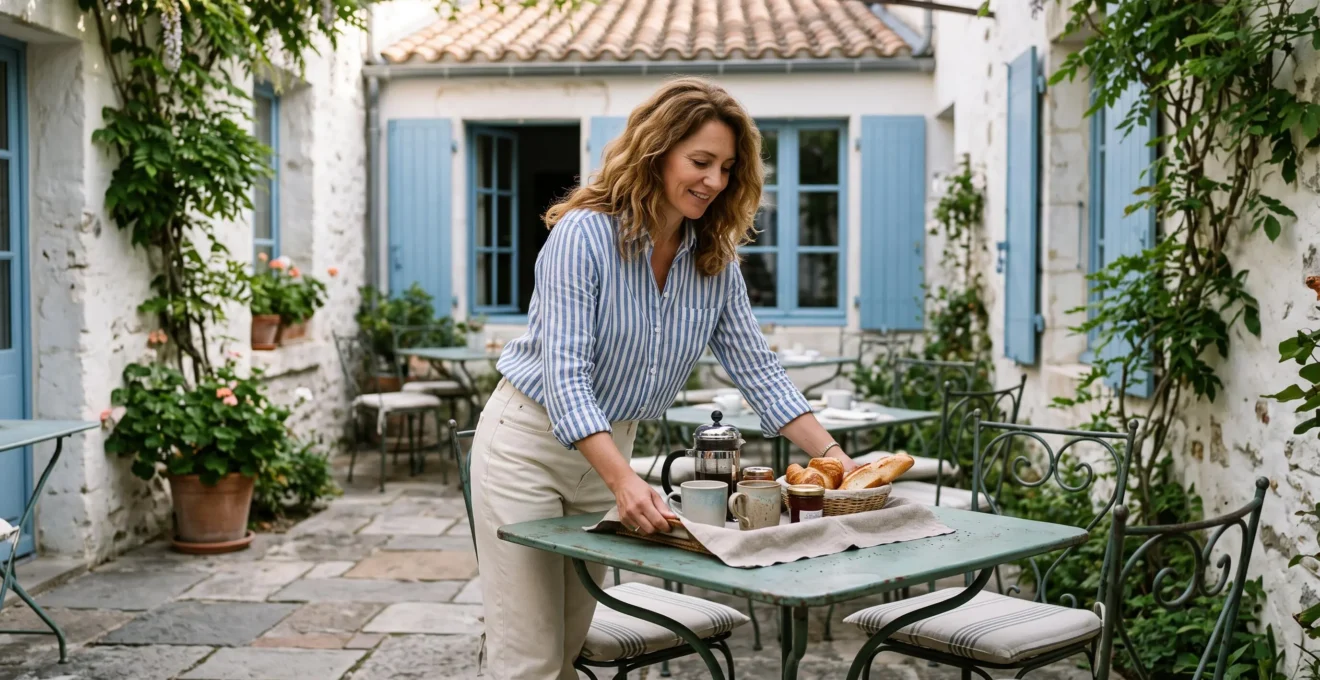
Villa, boutique hotel, or rental: what changes for a high-end traveller?
A villa tends to maximise privacy, outdoor space and a self-directed rhythm (breakfast on your terrace, beach timing on your terms). A boutique hotel tends to maximise ease—service, breakfast, and staff-led local suggestions—especially if you want your time to feel fully “off”. A family rental can be the most practical form of comfort for multi-generational trips, provided you prioritise location and condition over size alone.
To reduce uncertainty, it helps to book with a checklist mindset: proximity to the village centre if you want evenings without driving, outdoor space if you value privacy, and clear confirmation of what is included (parking, air conditioning, pool access where relevant). The island’s discreet luxury makes “details” more important than labels.
Cas pratique
A couple planning a long weekend chooses a boutique hotel near a harbour village so evenings are walkable and the stay feels effortless. A family travelling for a week chooses a villa-style rental to secure space, quieter mornings and a flexible schedule—then builds days around cycling, beach time and pre-booked dinners.
If you want a practical overview of accommodation styles and what to look for village by village, this internal guide can help you narrow your shortlist: Where to stay.
Cost versus “standing” check: on Île de Ré, price can reflect scarcity and timing as much as tangible luxury features, so verify location, space and included services before treating a rate as a quality signal.
How to Plan Activities Around the Seasons
On a luxury holiday in Île de Ré, the best activities are the ones that fit the island’s natural rhythm: cycling as daily transport, food-led days (markets, seafood-focused meals), and sea-air wellbeing—often framed as thalassotherapy in common usage. Your ideal season depends on whether you prioritise atmosphere and events (summer) or breathing space (shoulder seasons).
When is the best time to visit Île de Ré?
The most dependable answer is practical rather than absolute: visit in peak summer if you want maximum buzz and long days, and accept that you will need to book accommodation and restaurants earlier. Choose a shoulder season if you want a calmer version of the island—often better suited to cycling, long lunches and spa time—with the trade-off that some services may run on reduced hours.
What should you plan to do once you arrive?
Build your days around low-friction experiences that feel premium because they are simple: morning cycling between villages, a market stop for produce, a salt-marsh or coastal walk, then an unhurried meal. If you are travelling high-end, consider pre-booking the experiences that are capacity-limited in peak periods (popular dining times, specific wellbeing slots), while leaving daylight hours flexible for weather and mood.
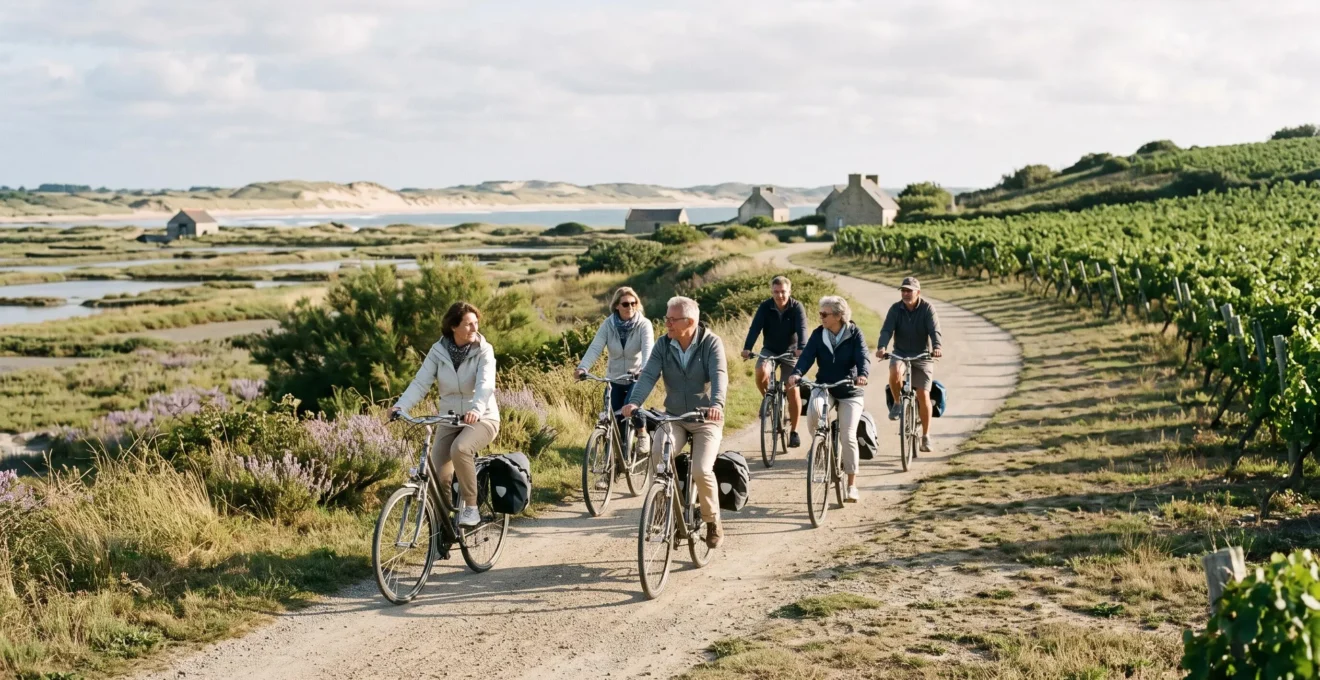
How do you get to Île de Ré, and what does it cost if you drive?
Access is straightforward because the island is connected to the mainland by the Île de Ré bridge, but the bridge is tolled and the price changes by season. The Département de la Charente-Maritime states that, since 1 January 2025, the return trip toll for a light vehicle is €4 in low season, €8 in mid season and €16 in high season (as defined on the official tariff page: tarifs officiels du pont de l’Île de Ré).
For a high-end stay, the practical implication is budgeting and timing: if you value a quieter arrival and a softer pace, shoulder seasons can reduce both crowd pressure and certain access costs, while summer rewards you with energy and longer days—at the price of earlier planning.
Two sample rhythms can help you decide. In summer: book your base early, keep mornings for cycling and beaches, and plan at least one heritage-led day in Saint-Martin-de-Ré. In shoulder season: aim for longer lunches, marsh walks, thalassotherapy-style downtime, and shorter “village hops” without the peak-season pace.
Making the Most of Your Trip: From Île de Ré to the Rest of France
Île de Ré works particularly well as a “reset” within a broader French itinerary: a few days of sea air and cycling can balance a city-heavy trip, or follow a more structured route through western France. The simplest way to plan is to decide what role the island plays—opening decompress, mid-trip pause, or end-of-journey recovery—then choose accommodation and village accordingly.
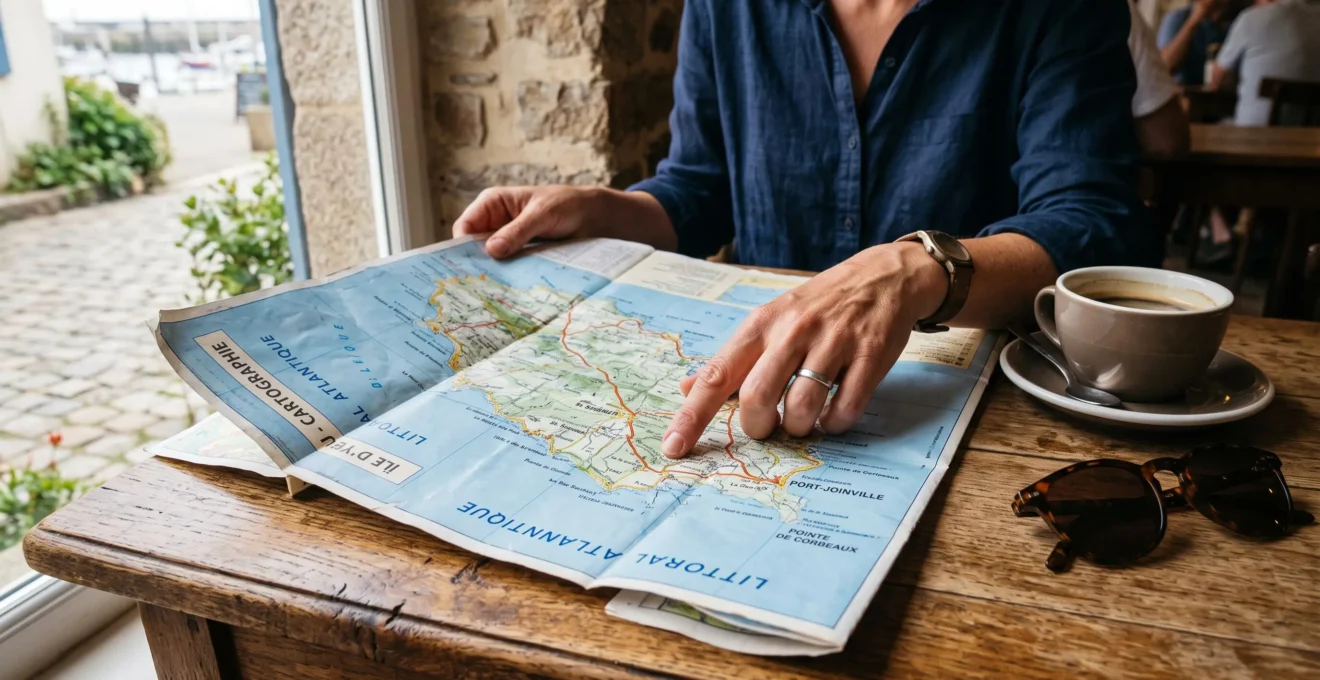
If you are continuing your journey towards major cities after the coast, you may also want to plan a different kind of sightseeing pace; these Paris tips can help you structure a day without overpacking it.
Why choose Île de Ré instead of better-known luxury destinations?
You choose it for a quieter, more discreet version of luxury: village charm, cycling-led days, and heritage you can experience on foot. If you expect constant nightlife or a dense luxury retail scene, a more “headline” resort may fit better.
What does high-end travel actually look like on Île de Ré?
It usually looks like the right base village plus the right property: a villa for privacy, or a boutique hotel for service and simplicity. Days are then built around low-friction premium experiences—cycling, food, sea-air wellbeing (often called thalassotherapy), and heritage walks such as the UNESCO-listed Vauban fortifications in Saint-Martin-de-Ré.
Is Île de Ré a good luxury alternative to the French Riviera?
It can be a good alternative if your definition of luxury is calm, privacy and a coherent setting rather than a “scene”. The Riviera and Île de Ré offer different styles; the best choice depends on whether you prioritise glamour and nightlife, or understated comfort and village-led days.
Where should I stay for charm and comfort?
Start by deciding the atmosphere you want: harbour life and heritage (often associated with Saint-Martin-de-Ré), or a quieter base closer to beaches and open landscapes. Then match the stay style to your priorities: villa for space and autonomy, boutique hotel for service, or a high-quality rental for group flexibility.
Île de Ré is most convincing as a luxury holiday destination when you treat luxury as discretion, setting and ease. If that matches your travel style, the island gives you a clear framework to plan around—heritage in Saint-Martin-de-Ré, salt-marsh and coastal scenery, and accommodation choices that can deliver real comfort without changing the island’s low-key character.